Catalyst for Change
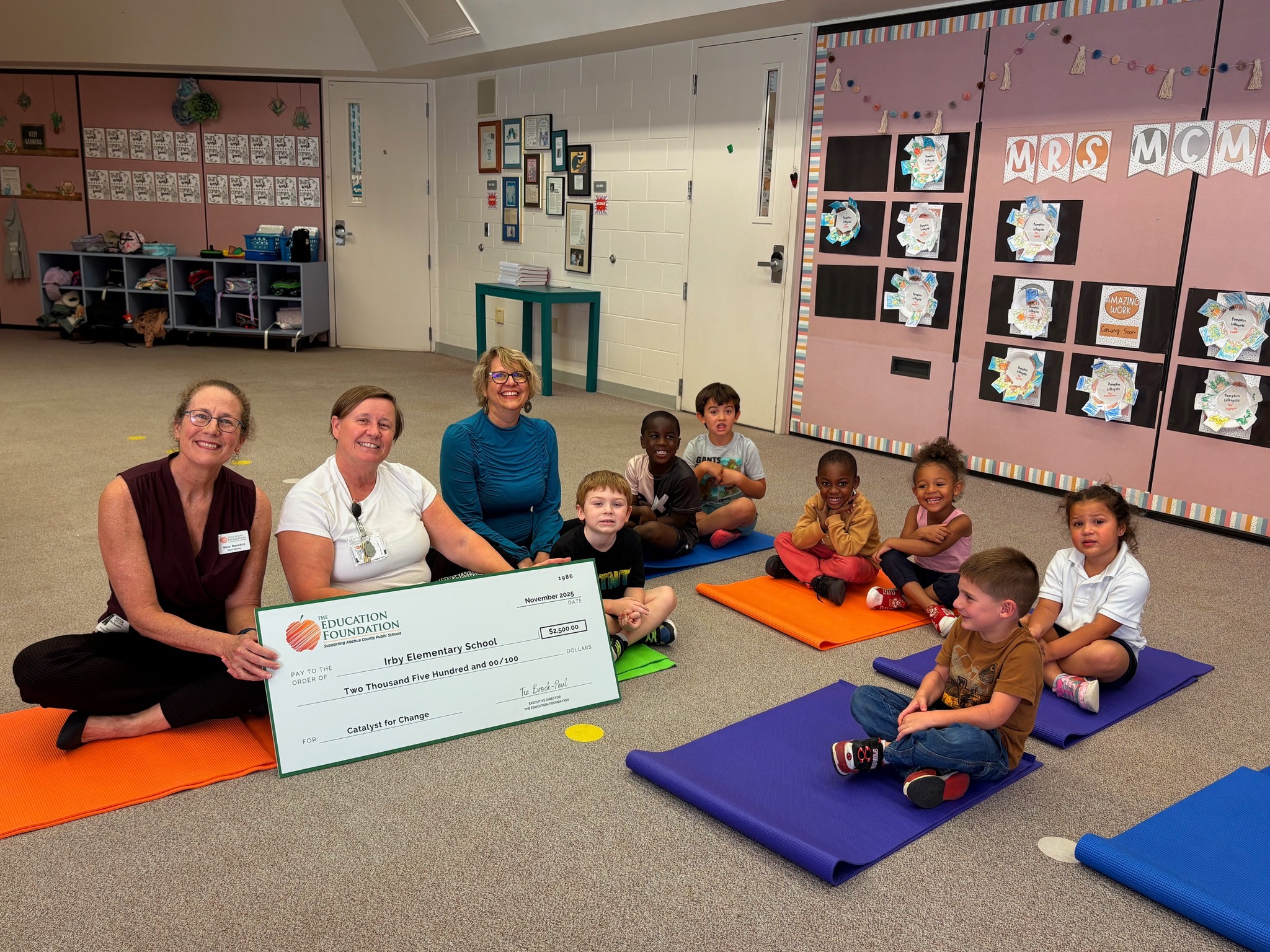
Grants are awarded to teacher and schools at the $2,000 – $5,000 level for innovative projects specifically focused one of the following priority areas: Career/Technical Education, Literacy, Low-Performing Students, Teaching Quality/Improving Classroom Instruction, Increasing Graduation Rates and/or Student Resiliency.
The application should be completed by using AwardSpring. The application cycle for the 2025-2026 school year is now closed. The next cycle for Catalyst for Change applications will open in July, with applications due in September 2026.
Apply
Who May Apply
Individual teachers, teams of teachers, principals, and other educators (e.g., guidance counselors, media specialists) may apply on behalf of their school and district-level staff.
Click the links below to view summaries of past Catalyst for Change funded projects, examples of successful applications, and terminology to help you with getting your desired project results.
Resources to Use When Applying
- The Florida Gap Map from the Florida Chamber of Commerce
- Creating Strategic Impacts from The Florida Department of Education
- Using EduData in Program Planning from the Consortium of Florida Education Foundations
- Maximizing Your Classroom STEM Investments from the Consortium of Florida Education Foundations
- Outputs and Outcomes from the Florida Consortium of Education Foundations
- 2020-2021 Catalyst for Change Project Review from The Education Foundation of Alachua County
Projects
Mid-Year Report Highlights for Catalyst for Change Grants awarded in the 2024-2025 School Year
6 STEM grants at $27,598.14, 13 Traditional grants at $47,430.58, and 5 district projects at $23,500 for a total of $98,528.72
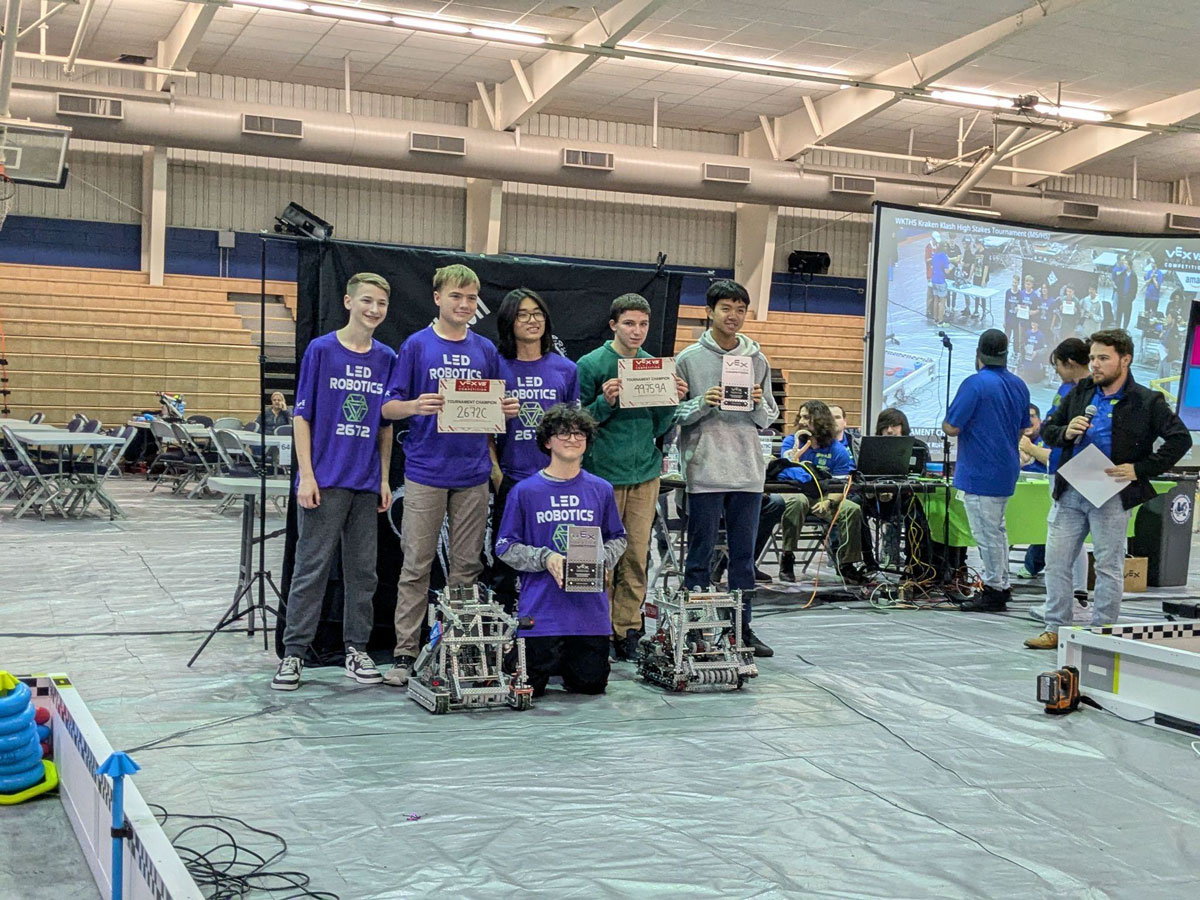
Supporting the Growth of Buchholz Robotics Club
Jessica Campbell, Buchholz High School, $4160.00 2 teachers, 25 students
More

Coastal Engineering PBL
Maureen Shankman, Santa Fe High School, $4964.66 2 teachers, 120 students
More
Students (120 students grades 9-12) enrolled in Biology and AICE Marine Science will participate in a coastal engineering project where students will evaluate the strengths and weaknesses of the 4 major world-wide coastlines including: sandy shore, coral reef, mangrove forests, and rocky shores. Working with UF professors Dr Gurley and Jeremy Waisome at the College of Engineering students have guidance to create their model coastlines and test them at the Natural Hazards Engineering Research Infrastructure (NHERI) at the University of Florida. The NHERI facility has a wind tunnel where students’ models will be placed to determine the viability of their coastlines and the impact that has on the human population. Similarly, the students will work with staff from UF IFAS at Seahorse Key in Cedar Key, Florida to witness the biological and physical aspects of a coastline that already exists with structures impacted by natural hazards. Upon completion, students’ scores will increase by 10% on the Biology End of Course Assessment and the Cambridge College Level Assessment. Student engagement is the key, and with an exciting project such as this, they are more likely to attend school which will help increase the attendance rate by 10%.
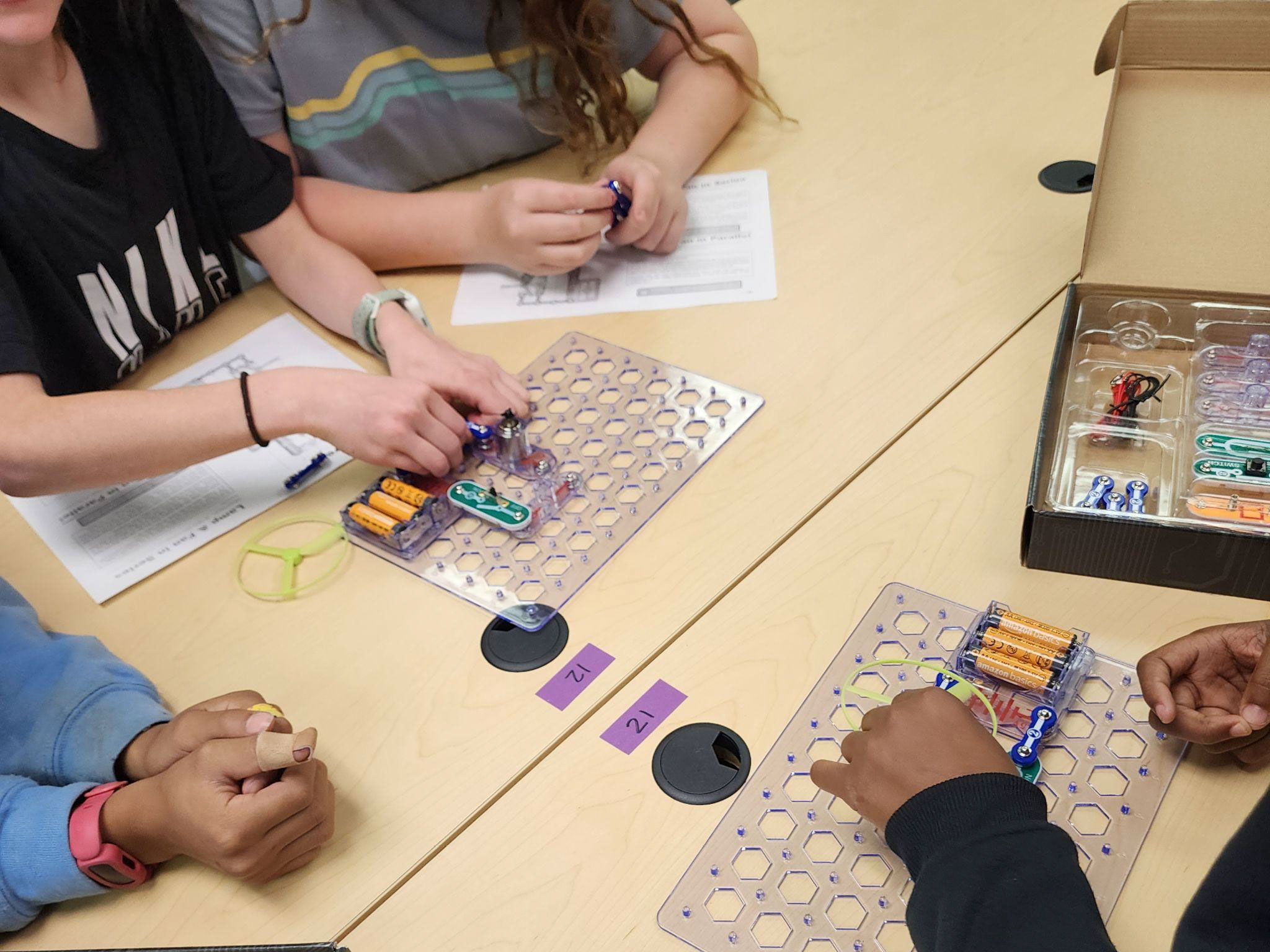
Improving Literacy Skills Through STEM Education
More
Inspiring Mathematics Performance through Aerospace Topics Integration
Rachael Hartley, Resilience Charter School, $3,750.00 2 teachers, 100 students
More
Nearly 70% of students at RCS require foundational skills math courses due to low scores on the FAST mathematics exam. Students struggle to understand and apply grade level concepts, especially when asked to make real-world connections. The mathematics teachers are tackling these barriers from the research-based approach that real-world connections strengthen student interest and performance by integrating aerospace engineering into the mathematics curriculum as a motivating factor. This integration will show students how the math they are learning in their classes is foundational math for arguably the greatest feat of human engineering – space travel and research. Students will apply the knowledge they gain from the program to hands-on projects involving model rocketry that directly integrate aerospace engineering principles into their math classes. Problems from NASA’s Space Math booklets will be regularly incorporated into instruction as students investigate careers in aerospace engineering and science. Through NASA’s Surprisingly STEM videos, students will gain an understanding of the careers available within the aerospace engineering field, and investigate how mathematics is part of the foundational study for these careers. The culmination of the project provides students with the highest growth on their FAST math test an opportunity to visit the Kennedy Space Center.
Alachua County Teacher Leadership Council
Mission
To identify, recruit, and edify teacher leaders via outreach efforts to school based leadership teams. Relevant professional development initiatives will be offered at the school level and district level which will encompass on site activities as well as follow-up activities to reinforce skills fostering growth in leadership.